
From QR to AR: Digital labels for more customer experience
Modern labels offer much more than just product information. With a single scan, consumers can dive into recipes, stories, 3D experiences, and transparent origin data. Digital applications turn every label into an interactive brand experience that captivates customers, builds loyalty, and keeps them coming back.
Team • 2026-03-03
QR codes: for additional information, fun facts and more
One digital application on your label, for example, is a QR code. Scanning this code with a smartphone opens a website with more information about your product. But there are more digital applications that you may not yet be aware of. The best-known form (after the barcode) of a digital application on a label is the QR code.
After scanning the QR code, a customer can discover recipes, such as cocktail variations with the drink you sell, or receive tips for perfect combinations. This type of interactive content makes it more appealing and fun for consumers to use the product and buy it repeatedly.
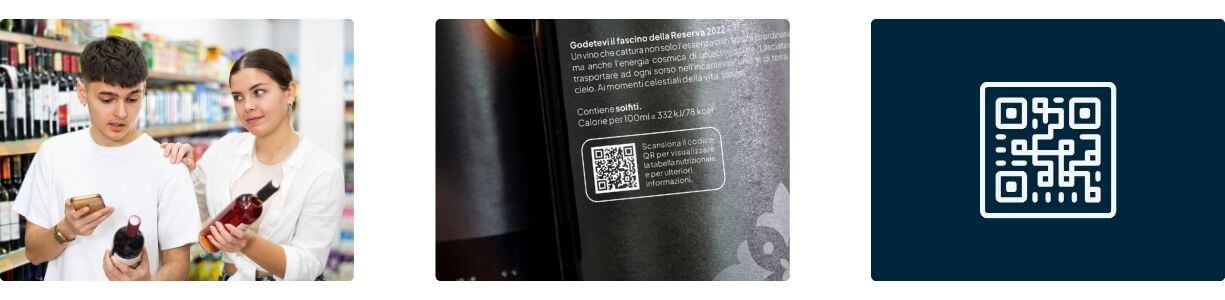
You can also offer consumers instant access to a wealth of additional information on the label of a bottle of wine, beer or soft drink. Let the QR code lead to the product’s origin, details about the production process and stories from the producer. This is especially popular with wine and specialty beer producers who want to share their passion and expertise. Placing a simple QR code on the label can thus create a close bond between your customer and your product.
Augmented Reality
Augmented Reality via App Integration (AR)
Augmented reality allows consumers to digitally bring a label to life – with a special app. Think interactive adventures, 3D visualizations of your beverage bottle or virtual tours of the brewery or vineyard. This allows you to offer a unique brand experience to your customers and increase customer engagement with your brand.
WebAR (Augmented Reality on the Web)
WebAR allows consumers to invoke AR experiences with a Web browser without having to download a special app. This makes the use of augmented reality much more accessible. When consumers scan the label or see the product through their smartphone’s camera, they can view animations, 3D visualizations and interactive content directly in their browser. WebAR is a powerful way to engage consumers in a playful and informative way and can provide virtual product experiences, and enables storytelling about the production process, for example.
Blockchain for Product Authentication and Traceability
Blockchain technology can be integrated with labels to ensure product authenticity and provide full traceability. By linking a blockchain QR code or NFC chip to the label, consumers can see all product information, from origin to production and distribution. This technique is increasingly used to combat counterfeit products and ensure transparency, especially in the wine and spirits industry.
- Applications: Product authentication such as Amazon’s Transparency, traceability, security, sustainability
- Benefits: Trust and transparency to consumers reinforces brand perception of reliability and quality
Dynamic QR codes
A dynamic QR code on a label offers numerous opportunities to enhance the customer experience and share personalized information. The difference with static QR codes, is that the content behind a dynamic QR code can be easily customized. For example, consumers who scan the code are shown recipes, product information or processing details that can be tailored to their location, season or specific marketing campaigns.
In addition, dynamic QR codes can be linked to an AI system that adapts to the user’s profile, such as previously viewed products or preferences. This enables targeted promotions or discounts depending on the customer’s interaction history.
Also, dynamic QR codes allow brands to gather valuable insights, such as how much and where the codes are scanned. This makes it possible to optimize campaigns and better respond to customer preferences. For premium brands, this technology offers additional value by, for example, offering exclusive content or invitations to tastings to loyal customers. In short, a dynamic QR code on a label is a powerful way to increase customer engagement and make marketing efforts more effective.

Questions
Keep up with the latest trends
with our newsletter